

A Guide to Fossil Hunting in Lyme Regis: Discovering the Jurassic Coast
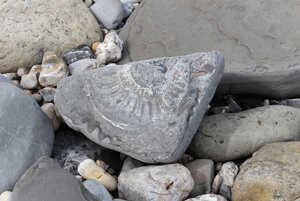
Lyme Regis is one of the world’s most iconic destinations for fossil hunting. Set on the spectacular UNESCO-listed Jurassic Coast, the town is famous for its dramatic cliffs, rich geological layers, and the legacy of Mary Anning, the pioneering palaeontologist who discovered some of the most important fossils in history.
If you’re planning a fossil-hunting break, The Alexandra Hotel is perfectly positioned. With panoramic views over Lyme Bay and steps from the beaches, it’s an ideal base for exploring this unforgettable stretch of coastline.
Why Lyme Regis Is World-Renowned for Fossils
For more than 200 years, fossil hunters have visited Lyme Regis to uncover the extraordinary remains of ancient marine life. The cliffs here date back over 180 million years to the Early Jurassic period. Erosion constantly exposes new fossils, which means every visit offers the possibility of a fresh discovery.
The History of Fossil Hunting in Lyme Regis
The first recorded fossil hunt in the town dates back to 1671, and the town has been a major centre for fossil research ever since. However, the most famous fossil hunter in Lyme Regis is Mary Anning. Born in 1799, Anning began fossil hunting at a young age and made many important discoveries, including the first complete ichthyosaur and plesiosaur skeletons.
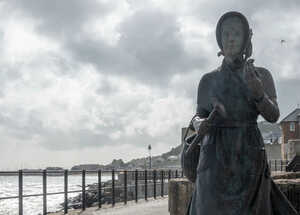
In 2022, a statue of Mary Anning was unveiled after fundraising from campaign group Mary Anning Rocks to install a permanent tribute to Anning, who in her lifetime was snubbed by the scientific community and never properly recognised for her fossil discoveries, despite her work helping to shape the understanding we have of prehistoric life scientists have today. It's a really important and poignant statue, and well worth paying a visit.
Best Places to Go Fossil Hunting in Lyme Regis
Lyme Regis offers several excellent fossil-hunting spots. These are the safest and most rewarding areas to explore:
1. Monmouth Beach
A short walk west of the Cobb, Monmouth Beach is famous for its “Ammonite Pavement”, a wide limestone ledge packed with large, beautifully preserved ammonites.
Fossils you might find: ammonites, belemnites, fossilised wood.
2. East Cliff & Black Ven (towards Charmouth)
This stretch is one of the most productive fossil locations in Europe. Landslides and erosion regularly reveal new finds on the foreshore.
Fossils you might find: abundant ammonites and belemnites; occasional vertebrate fossils.
3. Church Cliff & Charmouth Beach
Just a short walk or drive from Lyme Regis, Charmouth is superb for families and beginners. The foreshore here is accessible and rich in fossils.
Fossils you might find: ammonites, belemnites, crinoids, and if you’re lucky, fragments of marine reptiles.
Tip: The best fossils are found loose on the beach after erosion. Please avoid the cliff base, and do not climb or dig into the cliffs.
Best Time to Go Fossil Hunting
Success in fossil hunting depends heavily on timing. Here’s when to go:
1. Low Tide or a Falling Tide
More of the foreshore is exposed at low tide, revealing freshly washed-out fossils.
2. After Storms or Heavy Rain
Rough weather and winter storms often uncover new material.
3. Year-Round
Lyme Regis fossils can be found at any time of year, but winter and early spring produce the most erosion, making them especially rewarding.
Always check tide times before setting out, and never get caught on an incoming tide.
Safety Tips for Fossil Hunters
Lyme Regis is naturally dynamic, and safety should always come first:
-
Stay well away from the base of cliffs; landslides are common.
-
Never climb or hammer the cliffs.
-
Collect only from the foreshore or loose material.
-
Wear sturdy boots; the foreshore can be slippery.
-
Bring a fully charged phone and be aware of weather changes.
-
Supervise children closely and stick to open, safe areas.
What to Bring: A Fossil-Hunting Kit Checklist
You don’t need much equipment, but these items will help:
-
Sturdy footwear
-
Waterproof jacket
-
Gloves
-
A small soft brush
-
A bag or bucket for finds
-
Newspaper/bubble wrap for protecting delicate fossils
-
Eye protection if using a hammer
-
A guidebook or fossil ID app
-
Tide-time app or printed timetable
A hammer is optional and should only be used on loose rocks, never the cliffs.
Guided Fossil Walks in Lyme Regis
Mary Anning's legacy lives on, with Lyme Regis Museum offering fantastic guided fossil walks. These are led by experienced guides, who will teach you everything you need to know. The walks cover a variety of topics, including the history of fossil hunting in Lyme Regis, the geology of the area, and the different types of fossils that can be found, including ammonites and belemnites! The Lyme Fossil Shop is a great place to buy fossils and fossil-related souvenirs, also offering fossil identification services.
With stunning scenery, such a rich history, and exciting activities, Lyme Regis really is the perfect destination for Jurassic history enthusiasts of all ages.
If you’re new to fossil hunting or want expert insight, a guided walk is the ideal choice. They are safe, informative, and great for all ages.
Popular local providers include:
-
Lyme Regis Museum Fossil Walks – led by expert palaeontologists.
-
Charmouth Heritage Coast Centre Walks – excellent for families.
-
Local independent guides who offer small-group or private tours.
These walks often fill quickly, especially during school holidays, so booking in advance is recommended.
Fossil-Hunting Rules & Responsible Collecting
Help preserve the coastline for future generations:
-
Collect only loose fossils found on the beach.
-
Never dig into the cliffs or undercut them.
-
Report unusual or scientifically significant finds to the museum.
-
Respect wildlife habitats and tide restrictions.
-
Follow all local signage and warden guidance.
Responsible collecting is part of what makes Lyme Regis such a special place for visitors.
Accessibility, Parking & Practical Information
-
Parking is available at Holmbush, Charmouth Road, and Cobb Gate car parks.
-
Monmouth Beach is a short walk from the town centre.
-
Charmouth Beach is accessible via promenade or a 5-minute drive.
-
Many parts of the foreshore are uneven; sturdy footwear is essential.
Guests of The Alexandra Hotel enjoy easy access to the beaches; Monmouth Beach and the Cobb are a pleasant stroll away.
FAQ: Fossil Hunting in Lyme Regis
When is the best time to go fossil hunting?
Low tide, or a falling tide, offers the best exposure of the foreshore. Storms and winter erosion often reveal fresh material.
Do I need a permit to collect fossils?
No permit is required for casual collecting on the beach. Significant finds should be reported to local museums.
Is fossil hunting suitable for children?
Yes, with supervision. Stick to open foreshore areas and avoid the cliffs. Guided walks are ideal for families.
Can I use a hammer?
Only on loose stones, never on cliffs or solid ledges. Wear eye protection.
Can I keep what I find?
Common fossils found loose on the beach can usually be taken home. Rare or scientifically valuable finds may be asked to be recorded.
Stay at The Alexandra Hotel: Your Ideal Fossil-Hunting Base
After a day of discovery on the Jurassic Coast, return to the comfort of The Alexandra Hotel. Enjoy:
-
Elegant rooms with sea views
-
Exceptional dining overlooking Lyme Bay
-
Beautiful gardens and cliff-top terraces
-
Easy access to the beaches and town
Plan your fossil-hunting break today! Book your stay at The Alexandra Hotel.
Posted on March 30th 2023
 Updating page...